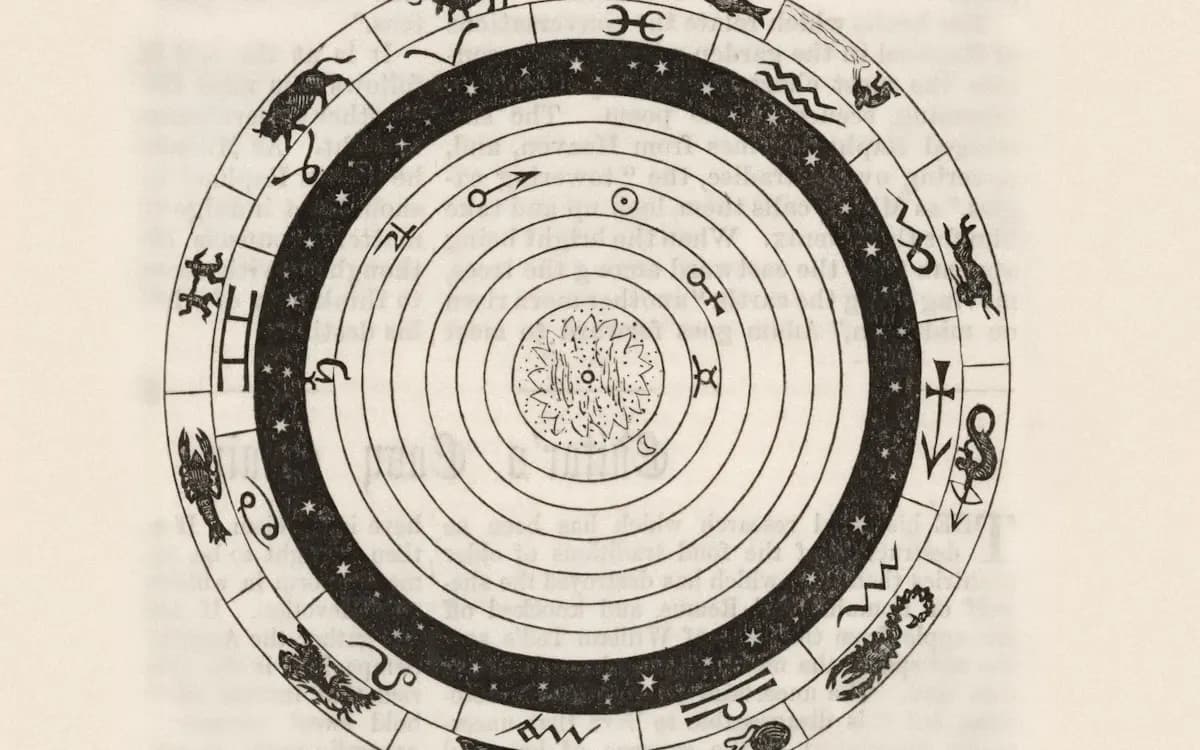
A Janam Kundali — your birth chart or horoscope — is simply a map of the sky at the precise moment and place you were born. Vedic astrology (Jyotish) treats that snapshot as a blueprint: the positions of the Sun, Moon, planets and the rising sign at your first breath, frozen in a diagram that can be read for the rest of your life.
What the chart actually contains
Three things come together in every chart. The twelve signs (Rashis) describe how energy expresses itself. The twelve houses (Bhavas) describe the areas of life — money, marriage, career, health. And the nine planets (Grahas) are the actors, sitting in particular signs and houses and casting their influence across the chart.
- The Ascendant (Lagna) — the sign rising on the eastern horizon at your birth. It sets the entire frame of the chart.
- The Moon (Chandra) — in Vedic astrology, your emotional core and the basis of your 'Moon sign' or Rashi.
- The nine Grahas and the houses they occupy — the working detail of your life story.
Why the birth time is non-negotiable
The Ascendant changes roughly every two hours, and it moves the position of every house with it. That's why two people born on the same day in the same city can have very different charts. An accurate time of birth is the difference between a general reading and a genuinely personal one — so it's worth finding your exact time from a birth certificate or hospital record.
A chart doesn't decide your life. It shows the terrain — the strengths to lean on and the seasons to be careful in.
A good reading translates all of this into plain language: what your chart is naturally good at, which periods are supportive, and where a little care or a remedy helps. It's a tool for clarity, never for fear.
Ready to go deeper?
Birth Chart Reading with Monnika Jain
Get guidance that's actually about your chart — not a generic forecast.